
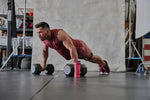
New Year, New Routine: How to Start a Fitness Plan You’ll Actually Stick To
, 4 min reading time
, 4 min reading time
Starting a new fitness plan at the beginning of the year feels motivating — fresh goals, fresh energy, a fresh calendar. Yet for many people, that motivation fades within weeks. The most common reason isn’t lack of willpower, but burnout, discomfort, or minor injuries that interrupt consistency.
Whether you’re completely new to exercise or returning after a long break, the key to long-term success is not intensity — it’s sustainability. This guide will help you start a realistic, beginner-friendly fitness plan while protecting your body so you can stay active all year long.
Many people approach a new fitness routine with an “all or nothing” mindset:
Training too hard, too fast
Ignoring joint and muscle adaptation
Pushing through discomfort instead of adjusting
While motivation is high in the beginning, the body often needs more time to adapt. Knees, elbows, and lower back areas are especially vulnerable when suddenly exposed to new movement patterns. Small setbacks quickly lead to long breaks — and eventually, quitting altogether.
A smarter approach focuses on gradual progress, proper recovery, and supportive habits that reduce unnecessary strain.
Instead of focusing only on outcomes like weight or muscle gain, start with consistency-based goals:
Train 2–3 times per week instead of daily workouts
30-minute sessions are more sustainable than long workouts
Focus on forming the habit before increasing intensity
This approach works equally well for beginners and experienced exercisers returning after a break. The goal is to show up consistently without overwhelming your body.
*CLICK HERE: Learn more about Verveshield sports collection.
Low-impact workouts are ideal for building strength, endurance, and confidence without excessive stress on joints.
Good beginner-friendly options include:
Walking or incline treadmill walking
Cycling or stationary biking
Light strength training with controlled movements
Home workouts using bodyweight or resistance bands
Even these activities place repeated load on joints over time. Knees absorb impact during walking and squats, elbows support pushing and pulling movements, and the lower back stabilizes nearly every exercise.
Supporting these areas early can help your body adapt more comfortably as training volume increases.
Fitness support gear isn’t only for injuries. Many active people use knee braces, elbow supports, or back support gear as part of their regular training routine — similar to choosing proper shoes or warm-up routines.
Supportive gear can help:
Improve joint stability during repetitive movement
Provide gentle compression and warmth
Increase confidence when learning new exercises
Reduce unnecessary strain during longer sessions
For beginners, this added sense of stability often makes it easier to stay consistent. For experienced exercisers, it supports training longevity by helping manage cumulative stress.
The key is choosing well-fitted, activity-appropriate support — not relying on it to replace proper form or recovery.

*CLICK HERE: Learn more about Verveshield sports braces.
Progress should feel challenging, not overwhelming. Gradual increases protect joints and muscles.
Strong muscles still rely on stable joints. Supporting knees, elbows, and the lower back can help maintain proper movement patterns.
Discomfort is a signal to adjust — not to push harder. Rest, modify, or add support when needed.
Rest days, light stretching, and supportive gear all play a role in sustainable progress.
Using support early can help prevent interruptions before they happen.
The most effective fitness plan is one you can maintain alongside work, family, and daily responsibilities.
Tips for long-term consistency:
Schedule workouts like appointments
Keep sessions short and focused
Choose activities you genuinely enjoy
Remove friction by preparing gear in advance
Protecting your body is part of respecting your time and effort. Staying injury-free allows you to keep moving forward without setbacks.

A new year is a great opportunity to reset your fitness habits. By starting with realistic goals, choosing joint-friendly exercises, and supporting your body along the way, you create a foundation for long-term success.
Training smarter doesn’t mean training less — it means giving your body what it needs to adapt, recover, and stay active.
If you’re building a routine that prioritizes consistency and protection, supportive fitness gear can be a valuable part of that journey.
*This article is for general fitness and lifestyle support purposes only and does not constitute medical advice.


Subscribe us to get an Exclusive 5% Off for Your First Order